Find an Older (45+) Therapist
This page lists counsellors and therapists who specialise in supporting people aged 45 and over. Each profile outlines qualifications, therapeutic approach and areas of expertise to help with common midlife and later-life challenges. Browse the listings below to find a practitioner who fits your needs.
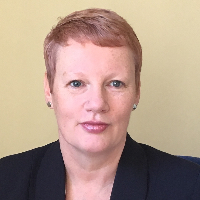

Dr. Richard Mason
BACP
United Kingdom - 25 yrs exp




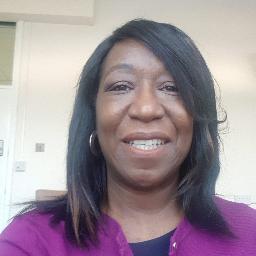
Jean Briscoe
BACP
United Kingdom - 20 yrs exp








Jatindar Bhogal
BACP
United Kingdom - 22 yrs exp








Understanding the Older (45+) specialty
The label "Older (45+)" groups a range of life stages in which many people experience significant change. At 45 and beyond you may face shifts in career direction, changing family roles, the departure of grown children from the home, increased caring responsibilities for ageing relatives, or the approach of retirement. Life events such as bereavement, long-term health changes and shifting relationships can prompt reflection on identity, purpose and future plans. Therapists who specialise in this age range focus on the unique combination of practical concerns and emotional adjustments that often accompany midlife and later adulthood. Their work takes into account the social, cultural and economic contexts that shape how people experience these transitions.
Why some challenges feel different at midlife
You may notice that worries which felt manageable earlier in life now seem more complex. Responsibilities may have multiplied and time can feel more finite, which changes priorities and coping strategies. For some people this period brings clarity and renewed direction. For others it exposes unresolved grief, long-standing patterns of behaviour or the strain of juggling multiple roles. A therapist who specialises with older adults will recognise how these factors interact and help you explore the changes without assuming that one approach suits everyone.
Signs you might benefit from therapy
You might consider seeking support if emotional or practical pressures are affecting daily life. Persistent low mood, heightened anxiety, difficulty sleeping or changes in appetite are experiences that many people share at times, but when they persist they can make it harder to manage work, relationships and self-care. You may find yourself withdrawing from social contacts, feeling overwhelmed by caring responsibilities, struggling with relationship conflict or replaying regrets from the past. Other signs include difficulty making decisions about retirement, recurring anger or irritability, increasing use of alcohol or other coping mechanisms, and repeated cycles of worry about health or memory. Therapy can also help if you are dealing with a specific loss, facing a medical diagnosis, or wanting to prepare emotionally for a major life transition.
What to expect in therapy sessions focused on older (45+)
At the first appointment you can expect a conversation about what brought you to therapy, your current circumstances and what you hope to achieve. The therapist will usually ask about your background, relationships and any previous experience of counselling. Together you will set goals for the work, whether that means finding ways to manage anxiety, processing grief, navigating retirement decisions or improving communication with a partner or family members. Sessions often focus on building a collaborative relationship so that you feel heard and can explore difficult topics at a comfortable pace.
Therapy sessions typically last 50 to 60 minutes and may be scheduled weekly or at a frequency that suits your situation. Some people prefer short-term work with practical strategies, while others choose longer-term therapy to explore deeper patterns and life narratives. The therapist will discuss how they handle notes and information in line with professional standards and will explain the circumstances in which they might share information, for example when there is significant risk of harm. You should expect an open conversation about fees, cancellation policies and practical arrangements before committing to ongoing work.
Common therapeutic approaches used for older (45+)
Therapists draw on a range of evidence-informed approaches depending on your goals and preferences. Cognitive behavioural therapy (CBT) is often used for managing anxiety and low mood by identifying thought patterns and developing practical coping skills. Person-centred therapy prioritises your experience and supports self-exploration in a non-judgemental setting. Psychodynamic approaches explore how past experiences and relationships influence present behaviour and feelings, which can be helpful when working through longstanding issues. Acceptance and commitment therapy (ACT) and mindfulness-based approaches can assist with values clarification and learning to live with difficult thoughts or sensations. Narrative therapy helps you reframe personal stories and find new meaning, while therapeutic approaches that address trauma may be used where past events continue to affect daily life.
Couples therapy and family-focused work may be appropriate if relationship strain is central to your concerns. Some therapists also offer group programmes for grief, retirement planning or carers, which provide peer support and practical strategies. A good therapist will explain why they recommend a particular approach and how it relates to the issues you bring.
How online therapy works for this specialty
Online therapy has become a widely available option and can suit many people aged 45 and above. Sessions take place by video call, telephone or through secure messaging, allowing you to attend from home or another familiar setting. Online work can be especially helpful if mobility, caring commitments or geographic distance make face-to-face appointments difficult. To prepare, you may want to choose a quiet comfortable environment, use headphones for privacy and ensure your device and connection allow for uninterrupted conversation. If digital skills feel unfamiliar, therapists can often guide you through the platform and suggest simple steps to make the experience more comfortable.
Not every therapist or every issue is best suited to online work. Some people find face-to-face meetings preferable, particularly when exploring very deep or complex trauma. It is reasonable to ask a therapist about their experience of delivering online therapy and how they manage practical matters such as emergency contacts and boundaries. Therapists who provide remote sessions should be able to confirm their registration with professional bodies such as BACP, HCPC or NCPS and explain how they maintain professional standards when working at a distance.
Tips for choosing the right therapist for older (45+)
Begin by reading practitioner profiles to see who lists experience with issues that match your needs - for example grief, retirement adjustment, caregiving stress or midlife relationship changes. Look for therapists who are registered or accredited with recognised professional bodies such as BACP, HCPC or NCPS and who describe their training and ongoing professional development. Consider the therapeutic approaches they use and whether a practical, skills-based model or a reflective, exploratory model feels more useful to you. Practicalities matter too - check fees, availability, appointment times and whether the therapist offers online or face-to-face sessions.
Arrange an initial telephone or online conversation if possible. This gives you a sense of how the therapist communicates and whether you feel listened to. It is reasonable to ask about their experience with people in a similar life stage, how they approach confidentiality and record keeping in line with professional standards, and how they manage situations when urgent support is needed. Trust your instincts - if a first therapist does not feel like the right fit it is acceptable to try another. Finding a good match often makes the difference between a short period of relief and meaningful, lasting change.
When you are ready, use the listings above to compare profiles and contact practitioners who seem suited to your situation. Taking that first step can help you manage transitions, rebuild resilience and find clearer direction as you move through midlife and beyond.