Find a Hearing Impaired Therapist
This page lists counsellors and therapists who specialise in supporting people with hearing impairment, deafness and related communication needs. Browse the listings below to compare qualifications, communication options and experience before making contact.
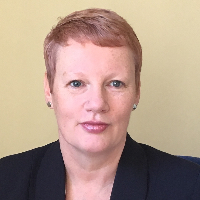



Jean Briscoe
BACP
United Kingdom - 20 yrs exp



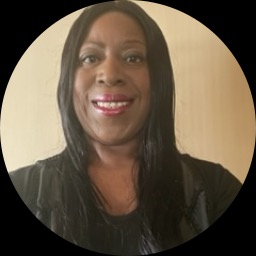
Jatindar Bhogal
BACP
United Kingdom - 22 yrs exp



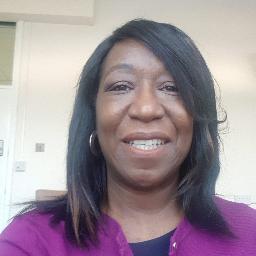
Florbela Santos
BACP
United Kingdom - 13 yrs exp











Understanding hearing impaired and how it can affect you
Hearing impaired is an umbrella term that covers a wide range of experiences, from mild hearing loss to complete deafness. You may have been born deaf, lost hearing gradually over many years, or experienced a sudden change because of illness or injury. Hearing difference can influence how you relate to others, how you work and study, and how you make sense of your identity. Practical challenges such as missing parts of conversations, relying on lipreading, coping with background noise or experiencing tinnitus often go hand in hand with emotional reactions like frustration, grief, anxiety or a sense of isolation.
It is important to remember that hearing difference is not just a technical or medical issue. Many people describe changes in relationships, difficulties navigating services that are not adapted, and a need to renegotiate daily routines. If you are also navigating identity questions related to being part of the deaf community or learning British Sign Language - BSL - those cultural and social aspects can be a central part of what you want to explore in therapy.
Signs you might benefit from therapy
You might consider therapy if you find that hearing differences are affecting your wellbeing, relationships or functioning. Common reasons people seek help include persistent low mood or anxiety related to communication breakdowns, feelings of anger or grief about hearing loss, stress at work or school where communication barriers exist, or difficulties in intimate relationships where partners have different communication needs. You may notice increased avoidance of social situations, frequent misunderstandings that leave you exhausted, problems sleeping because of intrusive thoughts or tinnitus, or a sense that you have less confidence in expressing yourself.
Therapy is also helpful when you want practical strategies to manage communication-related stress, when you are adjusting to hearing aids or implants, or when you want support with identity and connection to deaf culture. If you are a family member, partner or carer, you may want to explore how to support someone who is hearing impaired while also attending to your own emotional needs.
What to expect in therapy focused on hearing impaired
When you begin therapy for issues linked to hearing difference you should expect an initial conversation about communication preferences and practical arrangements. A therapist will usually ask how you prefer to communicate - for example BSL, speech and lipreading, writing, captioned video calls or face-to-face meetings with good lighting - and will adapt sessions accordingly. They will discuss goals, whether you want short-term practical support or longer-term exploration of identity, trauma or relationship patterns.
Sessions typically focus on your experience and priorities. Your therapist may offer a gentle, reflective space where you can process emotions such as loss and frustration, or a more skills-based approach to reduce anxiety and improve interactions. You should expect clear discussion of confidentiality, fees and cancellation policies, and an agreement about how notes and follow-up will be shared in ways that suit your communication needs. If you require an interpreter or facilitator, a therapist should be able to talk with you about how that will be arranged so that the work remains respectful and effective.
Accessibility and practical adjustments
Accessibility in therapy is not an add-on, it is central to the work. Practical adjustments might include using captioned video calls, offering typed summaries after sessions, ensuring rooms have minimal background noise and good sight lines for lipreading, or arranging for a BSL interpreter. You should feel encouraged to state what you need and to ask questions about how sessions will be conducted. A good therapist will be willing to explore different communication methods and to make reasonable adjustments that let you engage fully.
Therapeutic approaches commonly used
There are a number of therapeutic approaches that are often adapted to support people who are hearing impaired. Person-centred therapy focuses on your experience and aims to create a trusting, empathic space where you can make sense of changes. Cognitive behavioural therapy - CBT - is frequently used when anxiety or unhelpful thinking patterns are a primary concern; it can be delivered in ways that use written materials and structured exercises to suit your communication preferences. Acceptance and commitment therapy - ACT - can help if you are wrestling with painful thoughts or trying to build a life that aligns with your values despite communication barriers.
Trauma-informed approaches are important where hearing loss or related experiences have been traumatic. Narrative therapy can help you explore how you make sense of hearing difference and reclaim stories about identity and resilience. Family or couples therapy adapted for communication needs can be invaluable when you want to improve interactions with partners or relatives, and group therapy tailored for deaf or hard of hearing participants can offer community and shared learning when it is run with appropriate access supports.
How online therapy works for this specialty
Online therapy has become a practical option if travel is difficult, if you live in a location with fewer in-person specialists, or if you prefer text-based communication. For many people who are deaf or hard of hearing, video calls with clear lighting and good cameras can support lipreading, and captioning services can make spoken words accessible. Some therapists offer typed chat sessions, email therapy or a combination of written and video work which can reduce the stress of real-time spoken interaction.
If you plan to do online work, consider practical points such as using headphones to reduce background noise when listening, ensuring your device camera is positioned to show your face clearly, and checking whether the therapist uses captioning or can welcome an interpreter on the video call. You may wish to ask for session notes in writing after each appointment or to have written agreements about how correspondence will be handled. Online therapy also allows you to reach therapists who specialise in deaf culture or BSL, even if they are based elsewhere in the UK, provided the communication arrangements are right for you.
Choosing the right therapist for hearing impaired
Choosing a therapist begins with practical enquiries and a sense of rapport. Look for counsellors and therapists who are registered with recognised UK bodies such as BACP, HCPC or NCPS, and who list experience working with deaf or hard of hearing clients. Read profiles to see whether they mention BSL, use of interpreters, captioning or experience with assistive technologies. If you have cultural questions about deaf identity, check whether the therapist understands or respects deaf culture and whether they have worked with community networks.
When you contact a therapist, ask about their communication approach, what adjustments they can make, and how they handle interpreters or captioning. It is reasonable to request a short initial conversation to assess fit and to talk through logistics before committing to a full session. Also consider practical matters such as fees, session length and whether they offer online, in-person or hybrid options. Trust your instincts about whether you feel heard and respected - that sense of being understood is often the best guide to finding the right therapeutic relationship.
Final thoughts
Therapy can be a helpful resource if you are negotiating the emotional and practical changes that come with hearing difference. Whether you want short-term support to manage anxiety, long-term exploration of identity, or family work to improve communication, there are therapists who adapt their approach and tools to meet your needs. Take time to ask about communication methods, professional registration and lived experience, and choose someone who listens to your preferences. With thoughtful matching and clear arrangements, therapy can help you build strategies, recover confidence and find connection on your terms.