Find a Yoruba Speaking Therapist
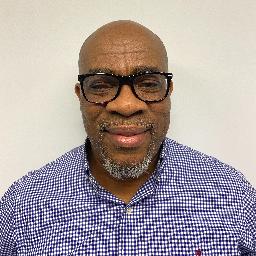
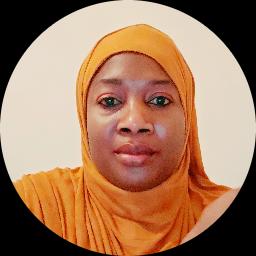
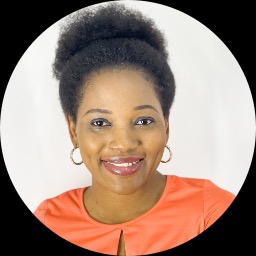
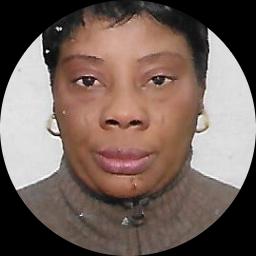
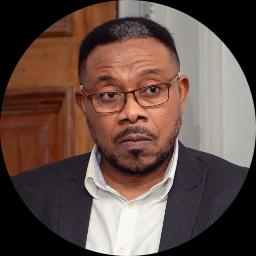
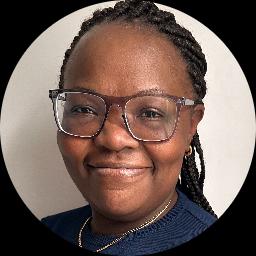
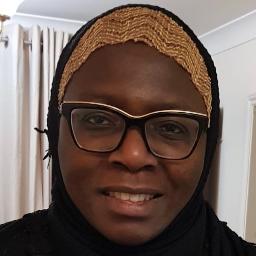
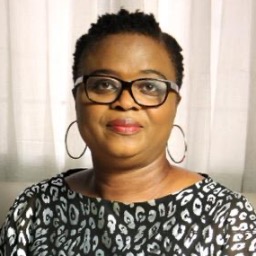
Therapy in your native language can make it easier to express emotion and feel truly understood. Browse the Yoruba-speaking therapists below to find practitioners who fit your needs and arrange an initial appointment.







Why therapy in Yoruba matters
When you speak in the language you grew up with, nuances of feeling, humour and meaning come through in a way English alone may not capture. Yoruba carries cultural references, proverbs and ways of expressing grief, joy and stress that can be essential to understanding what is happening for you. A therapist who speaks Yoruba is more likely to pick up subtleties in tone, idiom and metaphor that shape the therapeutic conversation. That familiarity can reduce misunderstandings, help you build rapport faster and encourage more open dialogue about sensitive topics.
For many people, the ability to use their mother tongue in therapy is not just a practical convenience - it is part of being seen and heard. Choosing a Yoruba-speaking practitioner can change the texture of sessions so that feelings are named precisely and cultural context is woven into how problems are understood and worked with.
How language barriers can affect therapy outcomes
Language differences can subtly alter how you experience therapy. If you are translating your thoughts from Yoruba into English as you speak, you may lose emotional colour or delay saying things that matter. Some expressions in Yoruba do not have a direct translation and may be reduced to shorthand when conveyed in a second language. That can make it harder for your therapist to grasp the full intensity or cultural meaning of a situation.
Beyond vocabulary, differences in communication style matter. In some communities, stories are told with proverbs or family histories that give context to a problem. If a therapist does not recognise that style, they may miss important clues about family roles, expectations and the social pressures you face. You might notice that you avoid bringing up certain topics because you do not want to explain cultural background every session. With a Yoruba-speaking therapist you are less likely to face that friction, so the work can be more direct and effective.
What to expect from online therapy with a Yoruba-speaking therapist
Online therapy with a Yoruba-speaking practitioner combines the convenience of remote sessions with the comfort of speaking your native language. Sessions typically take place by video call, phone or a messaging option, depending on what the therapist offers. You can expect a first session to focus on getting to know one another - your background, what brings you to therapy now and what you hope to achieve. This early conversation will also include practical matters such as fees, session length and how the therapist works, so you know what to expect going forward.
Because you are working remotely, there is a wider pool of therapists to choose from across the UK. You can find someone who shares a similar cultural background, therapeutic training and approach - for example cognitive behavioural therapy, integrative practice or person-centred work - even if they are not geographically close. Online work can feel very personal when you can use the same language as in everyday life. Make sure you check how the therapist manages appointments, cancellation policies and emergency contacts so you have clarity about what happens between sessions.
Common concerns Yoruba speakers face when seeking therapy
Many Yoruba speakers worry about stigma. In some families and communities seeking help for mental health is seen as a sign of weakness or something to keep within the family. That can make it difficult to take the first step. You may also worry about being judged by someone who does not share your cultural background or about having to explain cultural traditions and expectations repeatedly. These concerns are valid and are often raised in early sessions with a therapist who understands the cultural context.
Finding a practitioner who both speaks Yoruba and has appropriate professional registration is another common challenge. You might be unsure how to confirm a therapist's training or whether they have experience with specific issues such as migration stress, family conflict or bereavement within a Yoruba cultural frame. It is reasonable to ask about a therapist's qualifications, areas of experience and approach to cultural issues before booking a session. Reputable practitioners will be transparent about their registration, training and the types of clients they work with.
Benefits of online therapy for Yoruba-speaking clients
Online therapy expands access in several important ways. If you live in an area where there are few Yoruba-speaking practitioners, remote appointments allow you to connect with a therapist elsewhere in the UK. That flexibility makes it easier to find someone who matches your needs whether you prefer weekday evenings or daytime sessions. Online work can also reduce travel time and remove barriers such as childcare or mobility challenges, allowing you to prioritise your mental health without disrupting your routine.
Another benefit is the ability to choose a therapist who aligns with both your cultural and therapeutic preferences. You can review profiles, read about approaches and look for indicators that the practitioner understands issues that matter to you - for example navigating bicultural identity, intergenerational expectations, or faith and spirituality within a Yoruba context. When language and cultural understanding align, the therapeutic relationship can move more quickly into meaningful exploration and practical change.
Tips for choosing the right Yoruba-speaking therapist
When you start your search, think about what matters most to you. Is it important that the therapist shares the same dialect or cultural background? Do you need someone with experience of migration-related stress, couples work, or supporting young people? Consider the therapy approach too - some people prefer practical, goal-focused work while others want a more exploratory, reflective process. Use short initial conversations, often offered as phone or video consultations, to gauge whether you feel comfortable and heard. Those introductory chats are an opportunity to ask about registration, experience and how the therapist includes cultural considerations in their work.
Trust your instincts about fit. If you do not feel understood or you do not click with a therapist after a few sessions, it is acceptable to look for someone else - therapeutic relationships are personal and the right match matters. Also check practicalities such as fees, session length and cancellation policies so there are no surprises. If you are seeking support for urgent difficulties, ask how the therapist can help you between sessions and what local resources are available in the UK that they might recommend.
Moving forward with confidence
Finding a Yoruba-speaking therapist can be a meaningful step toward clearer communication, better emotional expression and culturally informed care. Whether you are seeking short-term support for a specific issue or longer-term therapy to explore deeper patterns, speaking in your native language often opens new avenues for insight and healing. Take your time to browse profiles, read about therapists' approaches and use initial consultations to assess fit. With thoughtful choice and clear expectations, you can find a practitioner who supports your goals in a way that honours both language and cultural context.
Remember that seeking help is a sign of strength and a practical step towards change. When you choose a therapist who speaks Yoruba and understands your background, the work you do together can feel more relevant, more authentic and more useful to everyday life in the UK.