Find a Spanish Speaking Therapist
Therapy in your native language often helps people talk more openly and be better understood. Browse the Spanish-speaking therapists below to find accredited, qualified counsellors offering online and in-person sessions.
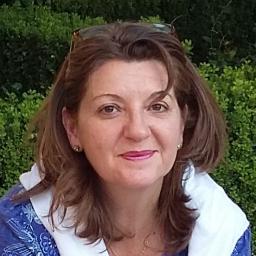





















José Pereira
BACP
United Kingdom - 22 yrs exp

Why therapy in Spanish matters
When you can speak with a counsellor in Spanish, the work of therapy often becomes clearer and more meaningful. Language is not simply a tool for conveying facts - it shapes how emotions, memories and cultural meanings are expressed. You may find it easier to name feelings, to tell stories from your past and to describe the shades of experience that can get lost in translation. Speaking the same language with a counsellor can also reduce the energy spent converting thoughts and free more focus for reflection and healing.
Beyond the words themselves, a shared language often carries shared cultural references, idioms and family expectations. That background knowledge can help a counsellor interpret what is said and what is left unsaid. For many people who grew up speaking Spanish at home, therapy in Spanish feels more familiar and less like entering an unfamiliar frame of reference.
Language and emotional nuance
You may notice that certain emotions arrive more naturally when you use your first language. Some words or expressions do not have direct equivalents in English and can lose depth if translated. Accessing those nuances allows you to explore complex feelings more fully and to co-create meaning with a counsellor who understands both the language and the cultural context.
How language barriers can affect therapy outcomes
Language barriers can create misunderstandings that slow progress or make therapy feel less useful. When a counsellor and client do not share the same native language, subtle shifts in tone, humour or metaphor may be missed. This can affect the accuracy of assessments and the quality of the therapeutic alliance. You might find yourself describing problems in simpler terms or avoiding topics that feel too difficult to explain in a second language. Over time, that constraint can limit the depth of conversation and the sense of being seen.
Using interpreters is an option, but it introduces another person into an intimate conversation and can change the rhythm of sessions. If an interpreter is needed, it is helpful to agree beforehand on how sessions will be structured and to check that the interpreter understands therapeutic boundaries and data protection requirements under UK law.
What to expect from online therapy with a Spanish-speaking therapist
Online therapy with a Spanish-speaking counsellor typically begins with an initial consultation to discuss your concerns, goals and practical arrangements. This meeting is a chance to ask about the counsellor's training, approach and experience working with Spanish-speaking clients. Sessions may take place by video, telephone or messaging, depending on the therapist and the type of work you prefer.
Sessions usually last around 50 to 60 minutes and are scheduled at a time that suits you. You should expect to discuss confidentiality and data handling according to UK regulations before beginning work. A registered counsellor will explain how records are kept and what happens in the event of an urgent situation. If you have a preference for a counsellor from a particular cultural background or dialect, mention that early so you can be matched appropriately.
Online therapy offers flexibility. You can access a counsellor who is based elsewhere in the UK, which can broaden the pool of therapists who speak Spanish and who understand your cultural background. It is important to check technical requirements such as a stable internet connection and a quiet environment where you can speak freely. Finding a comfortable, uninterrupted space at home or elsewhere helps sessions feel more focused and effective.
Common concerns Spanish speakers face when seeking therapy
Cultural stigma remains a significant barrier for many Spanish-speaking people. In some families or communities, seeking counselling may be seen as a sign of weakness or something that should be handled within the family. That stigma can make it harder to reach out, to commit to regular sessions or to discuss certain topics openly. You may also worry about being judged for language choices, religious beliefs or immigration-related stresses.
Another concern is finding therapists who are both fluent in Spanish and familiar with the cultural nuances that matter to you. Dialect differences, regional customs and migration histories shape experience. You may prefer a counsellor who shares or deeply understands that background rather than one who only speaks the language. Practical issues such as affordability, waiting lists and availability outside standard working hours are also common concerns, especially for people balancing work and family responsibilities.
Benefits of online therapy for Spanish-speaking clients
Online therapy widens access to therapists who speak Spanish, so you are less restricted by geography. If local options are limited, you can connect with counsellors across the UK who specialise in the issues you face. This greater choice makes it easier to find someone whose training, approach and cultural understanding align with your needs.
Flexibility is another key benefit. You can schedule sessions around work, childcare and other commitments, which makes it more feasible to attend regularly. For those who have moved within or between countries, online therapy offers continuity with a counsellor who understands the challenges of migration, identity and adjustment. The option of telephone sessions or secure video calls can also reduce barriers for people who feel anxious about attending a clinic in person.
Tips for choosing the right Spanish-speaking therapist
Begin by checking that a counsellor is registered with an appropriate professional body in the UK and that they hold relevant qualifications. Registration indicates that the counsellor adheres to a code of practice and ongoing professional development. Read therapist profiles to learn about their specialisms, therapeutic approach and experience working with Spanish-speaking clients from similar cultural backgrounds.
Arrange a short introductory call if possible. Use that time to see whether you feel comfortable with the counsellor's manner, whether they listen attentively and whether their therapeutic style seems to match your expectations. Ask about practical arrangements such as fees, cancellations and how they handle urgent matters. It is reasonable to inquire about their experience with issues like migration stress, bereavement, family dynamics or anxiety, depending on what brought you to therapy.
Trust and rapport are central. If you do not feel understood after a few sessions, it is perfectly acceptable to explore a different counsellor. Therapy works best when you feel safe to be honest and when the counsellor can reflect your experience in a way that resonates. Pay attention to how comfortable you feel expressing difficult emotions in Spanish and whether the counsellor recognises cultural references that are important to you.
Questions to consider asking before you start
Ask how long the counsellor has worked with Spanish-speaking clients, what therapeutic approaches they use and how they adapt those approaches for cultural differences. Enquire about session logistics including frequency, duration and fee policies. Find out how they keep records and how they will respond if you need support between sessions or in a crisis. Checking these practical details helps you choose a counsellor who meets both your emotional needs and your logistical requirements.
Finding a Spanish-speaking therapist in the UK is a meaningful step toward clearer communication and more culturally aware care. Take your time to review profiles, arrange initial conversations and choose someone who resonates with your needs. When language and culture are honoured in therapy, it can open up new possibilities for understanding, growth and wellbeing.