Find a Romanian Speaking Therapist
Therapy in your native language can make it easier to express feelings, memories and cultural meanings. Visitors can browse Romanian-speaking therapists below to compare profiles and find a good match for their needs.
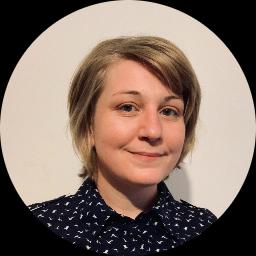

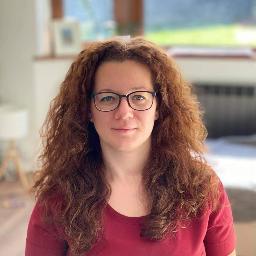
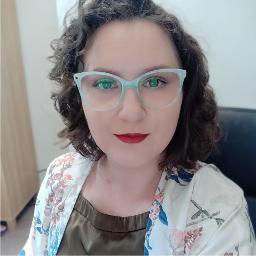



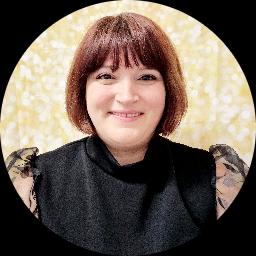
Elisabeta Oltean
BACP
United Kingdom - 6 yrs exp

Stefan Mihailov
BACP, NCPS
United Kingdom - 4 yrs exp




Elisabeta Stancu
BACP
United Kingdom - 6 yrs exp
Ana-Maria Anica
BACP
United Kingdom - 3 yrs exp

Why therapy in Romanian can make a difference
When you speak with a therapist in Romanian you do more than exchange words - you bring the rhythm, idioms and cultural references that shape how you think and feel. Language carries subtle clues about your upbringing, family expectations and social norms. Being able to use your first language often helps you access emotional detail that might be harder to reach in a second language. For many people, that means conversations feel more natural and you can describe experiences with greater nuance.
Emotional expression and cultural nuance
You may notice that certain feelings are easier to name or that particular images and metaphors come to mind when you speak Romanian. Those elements matter in therapy because they shape how you make sense of difficult experiences. A therapist who understands the cultural context behind phrases and behaviours can help you explore these layers without needing to translate or simplify what you are saying. That can deepen the therapeutic connection and allow you to work with material that might otherwise remain vague or stuck.
How language barriers can affect therapy outcomes
If you and your therapist do not share a native language, important details may be lost in translation. You might avoid topics that feel too personal because you worry you cannot explain them properly. You may also miss subtle shifts in tone or irony that would be obvious to a Romanian speaker. These gaps can slow progress or lead to misunderstandings about goals and expectations. Choosing a therapist who speaks Romanian reduces the risk of misinterpretation and helps ensure your experience is shaped by what matters to you, not by language limitations.
Communication beyond words
Therapy relies on more than literal meaning - it uses metaphor, humour and shared cultural references. A therapist who shares or understands your cultural background will be better placed to notice when a phrase carries extra weight or when a family pattern reflects wider social expectations. You may feel freer to express grief, anger or shame when you are confident the therapist understands cultural subtleties rather than labelling them incorrectly.
What to expect from online therapy with a Romanian-speaking therapist
Online therapy with a Romanian-speaking practitioner can take several forms - video sessions, phone calls or written exchanges. Sessions typically last the same amount of time as face-to-face meetings and follow a similar structure, with space to reflect, set goals and explore patterns. In an online session you can expect to discuss practical arrangements at the start, such as how to manage any interruptions and agree on how to contact each other between sessions if that is part of the arrangement.
Practicalities and comfort
Before your first online appointment you may want to test your camera and microphone, find a quiet corner where you can speak without being overheard and consider lighting so you can both see each other clearly. It is reasonable to ask the therapist about their approach, experience working with Romanian-speaking clients and whether they have particular expertise in areas that matter to you, such as migration-related stress, family relationships or bereavement. A brief introductory conversation can help you decide whether the therapist’s style feels like a good fit.
Common concerns Romanian speakers face when seeking therapy
People from Romanian-speaking communities in the UK may carry concerns shaped by cultural attitudes toward mental health. Stigma can make it harder to seek help, particularly if family roles or expectations emphasise stoicism and self-reliance. You might worry about how others will react, or whether therapy will align with cultural values. For those who migrated as adults or were born to immigrant parents, conflicting expectations between generations can be a frequent issue. It is not unusual to bring experiences of loss, identity shifts, or practical stressors such as employment and housing into sessions.
Finding someone who understands your background
Another concern is finding a therapist who not only speaks Romanian but also understands the cultural context - including attitudes towards mental health, the role of extended family and the influence of religious or community networks. You may prefer a therapist who holds experience with immigrant communities, bilingual families or cross-cultural work. It is fair to ask about these aspects during an initial consultation so you can find someone who respects your values while helping you explore change.
Benefits of online therapy for Romanian-speaking clients
Online therapy widens your choices. If local services do not offer Romanian-speaking practitioners, the online option increases the pool of available therapists across the UK. This flexibility means you can match on language, therapeutic approach and specialist experience rather than being limited by geography. Online appointments can also be easier to fit around work and family commitments, reducing the time needed to travel and allowing you to select times that suit your routine.
Access and continuity
Online work also helps maintain continuity if you travel or move within the UK. You can continue with the same therapist rather than starting over with someone new. For bilingual families it may be helpful to arrange sessions that include both English and Romanian when needed, so that you can work on communication patterns with family members while retaining the option to explore individual feelings in Romanian.
Tips for choosing the right Romanian-speaking therapist
Start by clarifying what you hope to gain from therapy - whether you are seeking short-term support for a specific problem or longer-term work to explore deeper patterns. Look for therapists who are registered with a recognised professional body and who list Romanian among their languages. Read profile sections about specialisms and training to see if they match your needs, and check practical details such as fees, session length and whether they offer online appointments.
Initial contact and trial sessions
When you contact a potential therapist, ask about their experience working with Romanian-speaking clients and whether they have experience with issues similar to yours. A short initial conversation can help you get a sense of how they communicate and whether you feel understood. Many therapists offer a single session to help you decide if the approach feels right. Trust your impressions - feeling comfortable and heard in the first few conversations is an important indicator of a good match.
Preparing for your first sessions
Before your first session think about what matters most to you - whether it is practical coping strategies, understanding family patterns or addressing past events. You do not need to have everything worked out - the therapeutic process is there to help you discover what to focus on. Plan a quiet, uninterrupted place to speak and consider any practical needs, such as time zone differences if you are outside the UK temporarily. Remember that therapy is a collaborative process - you and your therapist will shape the work together.
Finding a Romanian-speaking therapist who understands your language and cultural background can open different doors in therapy - helping you speak more freely, explore cultural meanings and work toward the changes you want. Take your time to compare profiles, ask questions and choose someone you feel you can work with. When the language barrier is removed, you can focus fully on what brought you to therapy and on the steps you want to take next.