Find a Polish Speaking Therapist
Accessing therapy in your native language often makes it easier to describe feelings, recall memories, and explore cultural aspects of your experience. Browse the Polish-speaking therapists below to view profiles, therapeutic styles and availability.



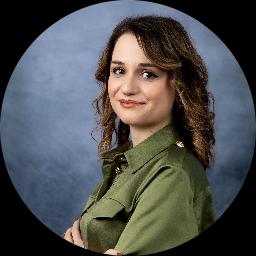
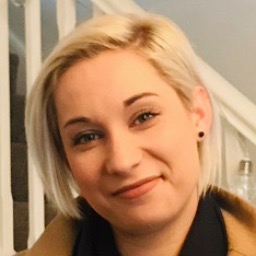
Katarzyna Klimek
BACP
United Kingdom - 3 yrs exp








Why therapy in Polish can make a difference
When you talk about emotions, relationships or painful memories, the words you choose carry nuance. Speaking in Polish can let you use familiar expressions, idioms and cultural references that may not translate well into English. That familiarity can help you reach feelings and ideas more directly, without the extra effort of translating thoughts into another language. For many people the comfort of hearing a clinician respond in the same language reduces friction in the therapeutic relationship and helps you build trust more quickly.
Language also shapes how you think. Some emotions or social experiences are described differently across languages, and having a therapist who understands those linguistic subtleties means you are less likely to need long explanations of context. That can make sessions more efficient and more focused on what matters to you, rather than on clarifying vocabulary or cultural background.
How language barriers can affect therapy outcomes
If you and your therapist do not share the same first language, you may encounter several obstacles. You might find it harder to express complex feelings, humour, or sarcasm. Important cultural signals - such as patterns of politeness, family roles or religious customs - may be missed or misunderstood. Misinterpretation of these elements can leave you feeling unseen or might lead to less effective treatment because the root of a problem is not fully understood.
Interpreting services are sometimes used, but working with an interpreter changes the dynamic. In addition to adding a third person to the room, interpreters can be a practical solution for short-term needs but they may not capture the full emotional tone or subtlety you want to convey. If you can find a therapist who speaks Polish, you may find that the therapeutic process flows more naturally and that sensitive topics are easier to address.
What to expect from online therapy with a Polish-speaking therapist
Online therapy in Polish tends to follow the same structures as face-to-face work. Sessions are commonly scheduled for around fifty minutes and occur weekly or fortnightly at first, with frequency adjusted as you progress. At the first appointment you can expect the therapist to ask about your reasons for seeking help, your background, current difficulties and any practical constraints such as work hours or childcare. They will also discuss professional responsibilities and how they keep notes and handle appointment scheduling and cancellations.
When therapy is delivered online you will use video or telephone contact. Many people find online work more convenient because it removes travel time and allows you to fit sessions around other commitments. You should choose a quiet, comfortable environment where you can speak openly. If you are concerned about technological issues, it is reasonable to ask the therapist how they manage connection problems and what alternatives exist if a session is interrupted.
Common concerns Polish speakers face when seeking therapy
Cultural stigma remains one of the biggest barriers. In some families and communities, seeking psychological help is not widely accepted, and you may worry about judgment from relatives or friends. This can make it harder to take the first step. Fear of being misunderstood is another concern - you may worry that a therapist who is not familiar with Polish culture will misinterpret family dynamics, migration experiences or religious values. Practical issues such as finding a practitioner who accepts fee-paying clients at a suitable time, or who offers online appointments, are also common obstacles.
For people who migrated to the UK, there can be additional layers of stress - navigating a new system, coping with paperwork, or managing homesickness and identity changes. These experiences are often interwoven with family expectations and obligations that are culturally specific. A Polish-speaking therapist who understands these cultural dimensions can make it easier for you to explore these themes without having to continually explain the background.
Benefits of online therapy for Polish-speaking clients
Online therapy widens your options. If you live outside a major urban area or in a place with fewer Polish-speaking therapists, internet appointments can connect you with professionals anywhere in the UK. That means you are more likely to find someone whose specialism and approach match your needs, whether you are seeking help for anxiety, relationship strain, grief, or cultural adjustment. Flexibility is another advantage - you can usually arrange sessions outside standard office hours, which helps if you have shift work or childcare responsibilities.
Online appointments can also feel less formal than a clinic setting and this may help you talk more freely, especially during the early sessions. If you move within the UK, ongoing online work allows you to keep the same therapist rather than start again with someone new. For those who prefer to meet face-to-face, many Polish-speaking therapists offer a mix of online and in-person appointments, subject to availability.
Practical tips for choosing the right Polish-speaking therapist
Start by clarifying what you want from therapy. Are you looking for short-term coping strategies, support through a life transition, or longer-term exploration of patterns and relationships? Different therapists describe their work in different ways - some practise cognitive approaches that focus on problem-solving, others take humanistic or psychodynamic approaches that explore history and meaning. Look for a clinician who describes their method in language that resonates with your goals.
Check professional registration. In the UK many counsellors and psychotherapists are registered with recognised bodies such as the British Association for Counselling and Psychotherapy or the UK Council for Psychotherapy, and psychologists may be registered with the Health and Care Professions Council. Registration indicates that a therapist meets certain training and ethical standards. You can also read biographies to learn about cultural experience and whether the therapist has worked with Polish-speaking clients or with issues common among migrants and diaspora communities.
Think about practicalities before booking. Consider the session length, typical fees and whether the therapist offers concessionary rates or a sliding scale. Ask about appointment times, what platform is used for online meetings and how cancellations are handled. It is acceptable to enquire about the therapist's experience with topics that matter to you - for example parenting across cultures, bereavement, trauma, or relationship counselling. Many therapists offer a short introductory call or an initial assessment, which can help you decide if you feel comfortable with their style and approach.
Communicating about culture and language in the first sessions
Be open about cultural aspects that feel important. You might want to mention family expectations, religious practices, language preferences or experiences of discrimination. A good therapist will listen without judgement and will invite you to explain things that are personally meaningful. If you sometimes think in Polish and switch into English, mention that too - language switching is common in bilingual therapy and many therapists are comfortable working across both languages if needed. It is fine to ask how the therapist handles translation of cultural terms or whether they notice important differences when clients switch languages.
Next steps
Begin by browsing profiles to find a Polish-speaking therapist whose qualifications and approach align with your needs. Use short introductory calls to assess rapport and to clarify practical details. Remember that it is reasonable to try a few sessions before deciding if a particular therapist is the right fit. Finding the right match can take time, but speaking in your native language often speeds up the process of feeling understood and making meaningful progress.
Whether you prefer online appointments for their convenience or face-to-face meetings for a more traditional setting, there are qualified Polish-speaking professionals practising across the UK. Taking the step to connect with a therapist who shares your language may be the clearest way to make complex conversations feel more natural and useful.