Find a German Speaking Therapist
Therapy in a client's native language can make it easier to express complex emotions and build a stronger therapeutic connection. Browse the German-speaking therapists below to compare approaches and find a suitable match.

Michael Leunig
BACP
United Kingdom - 6 yrs exp












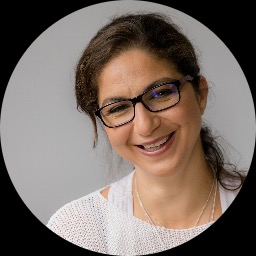

Tharani (Dani) Fowkes
BACP
United Kingdom - 7 yrs exp





Åse Greenacre
BACP
United Kingdom - 16 yrs exp




Why therapy in German matters
Choosing to talk to a therapist in German can change the nature of the work you do together. Language is more than words - it carries cultural context, humour, idioms and memories that shape how you think and feel. When you can speak in the language in which many of your earliest emotions were formed, you are often better able to access nuance, subtle feelings and associations that may be harder to reach in a second language. That fluency in expression can make sessions feel more immediate and meaningful, and can help you and your therapist collaborate more effectively on goals and techniques.
The role of cultural understanding
Beyond vocabulary, cultural background influences expectations about counselling, relationships, family roles and mental health. A German-speaking counsellor who also understands cultural norms from German-speaking countries can recognize culturally specific concerns and respond in ways that feel relevant and respectful. If you come from a migration background, or you grew up bilingual, having a therapist who understands the cultural references and social context you bring can reduce misunderstandings and deepen the therapeutic alliance.
How language barriers can affect therapy outcomes
If you and your therapist do not share a common language, important nuances may be lost. You might find it harder to name complex sensations, to joke in the way you normally would, or to describe sensitive family dynamics. That distance can sometimes make therapy feel slower or less satisfying. In addition, translation or interpreting can interrupt the flow of a session and make it harder to build momentum. When feelings are conveyed in a second language, you may also experience emotional dampening - a sense that strong feelings do not arise as naturally. Choosing a German-speaking therapist helps reduce those barriers and supports clearer emotional expression.
When a second language helps and when it limits
There are times when using a second language can be helpful - for example, if you want some emotional distance to approach traumatic material. However, if your aim is to work through deep emotional patterns or long-standing relational issues, speaking in your most fluent language usually offers richer access to feeling and memory. It is reasonable to discuss this with a prospective therapist so you can decide together whether German is the best medium for the work you want to do.
What to expect from online therapy with a German-speaking therapist
Online therapy has become a common and practical way to access counsellors across the UK. When you choose a German-speaking therapist online, you will typically arrange an initial consultation where you can discuss reasons for seeking help, preferred approaches and practical arrangements. Sessions commonly last 50 to 60 minutes and are scheduled weekly or fortnightly depending on your needs. Your therapist should explain their training, registration status and the therapeutic approaches they use, for example cognitive behavioural therapy, psychodynamic therapy or integrative counselling.
Practical aspects
For online work you will need a reliable internet connection and a quiet, comfortable environment where you can speak without interruption. Many therapists use video calls, but telephone sessions are also an option if you prefer. Before you begin, ask about how they handle record keeping, data protection and emergency plans should you need urgent support between sessions. It is also helpful to clarify fees, cancellation policies and whether they can offer sessions at times that suit your work or family commitments.
Common concerns German speakers face when seeking therapy
Many German speakers worry about stigma and about being judged for seeking help. In some communities there is still a strong expectation to manage difficulties independently or to keep family matters private. You might also find it hard to locate therapists who both speak German and are registered with recognised UK bodies. Others worry that a therapist will not understand specific cultural experiences such as migration, bilingual parenting or reintegration after a return to a German-speaking country. Acknowledging these concerns openly in an initial meeting can help you assess whether a therapist is a good fit.
Practical barriers and how to overcome them
Access can be a problem when there are fewer German-speaking practitioners locally. Online therapy reduces that barrier by allowing you to connect with clinicians across the country. If you are unsure about a therapist's cultural competency, ask about their experience working with German-speaking clients and about examples of the issues they have supported. You can also ask for references or for a short introductory conversation to sense how comfortable you feel speaking with them.
Benefits of online therapy for German-speaking clients
Online therapy widens the pool of available therapists, so you are more likely to find someone who matches your language preferences and therapeutic needs. Flexibility in scheduling can make it easier to fit sessions around work shifts, childcare or family responsibilities. Seeing a therapist from your home environment can also feel less formal and more accessible, especially if transport or mobility are factors. Many people find that being able to attend sessions from a familiar setting helps them relax and speak more openly.
Continuity across locations
If you move within the UK or split time between countries, online therapy allows you to maintain continuity with a therapist who already understands your history. That continuity can be important for longer-term work and for maintaining progress through life transitions. It also means you can be selective about the therapist's training and specialisms rather than choosing only from a narrow local pool.
Tips for choosing the right German-speaking therapist
Start by clarifying what you hope to achieve in therapy and what kind of approach feels most comfortable. Decide whether you prefer a therapist who is an accredited member of a recognised professional body and whether specific clinical experience - for example with trauma, relationships, or family therapy - is important. During an introductory conversation, ask about language fluency and whether they can work in both standard German and regional dialects if that matters to you. It is helpful to enquire about their therapeutic approach, session length, fees and cancellation policy so there are no surprises.
Trust your instincts
The therapeutic relationship matters more than any single qualification. After an initial meeting, reflect on whether you felt heard, understood and comfortable. It is normal to try a few different therapists before finding the right match. If your therapist is registered and outlines clear boundaries and a plan for emergencies, you will have a practical foundation to build on. Be prepared to discuss confidentiality and data protection arrangements so you understand how your information is handled in online sessions.
Final thoughts
Seeking therapy in German can make a real difference to how you process feelings and to the kind of progress you experience. Online options mean you can connect with qualified, registered therapists across the UK who speak your language and understand cultural nuances. Take time to review profiles, ask practical questions and arrange an initial conversation to see how it feels. With the right match, you can work towards clearer understanding, improved relationships and better emotional well-being in a way that honours your language and cultural background.